Investments in innovative technologies and partnerships with the private sector demonstrate how joint efforts can deliver measurable results—from reducing harmful emissions to improving energy efficiency.
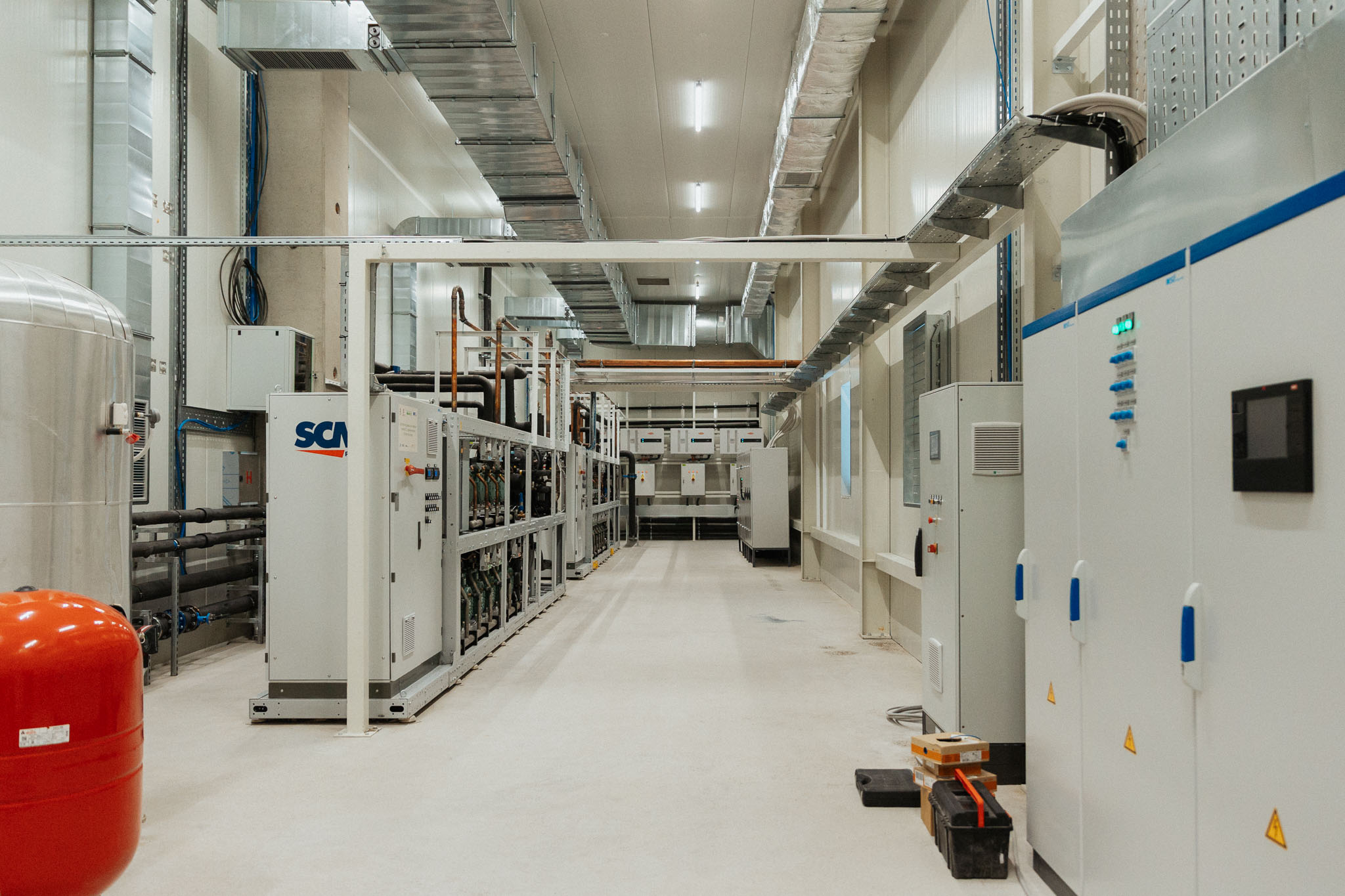
With the support of the European Union and in partnership with the Ministry of Environmental Protection, the distributor and logistics service provider Silbo DOO has introduced an innovative cooling system for industrial cold storage facilities within the framework of the project “EU for Green Agenda in Serbia”.
“We supported this solution with EUR 172,000 through the EU for the Green Agenda in Serbia project. The European Union remains a strong partner to Serbia. Together, we support the implementation of sustainable and energy-efficient solutions that benefit both the environment and the economy, paving the way toward a greener future for all citizens,” said Plamena Halacheva, Deputy Head of the Delegation of the European Union to Serbia, during a visit to the facility in Šimanovci.
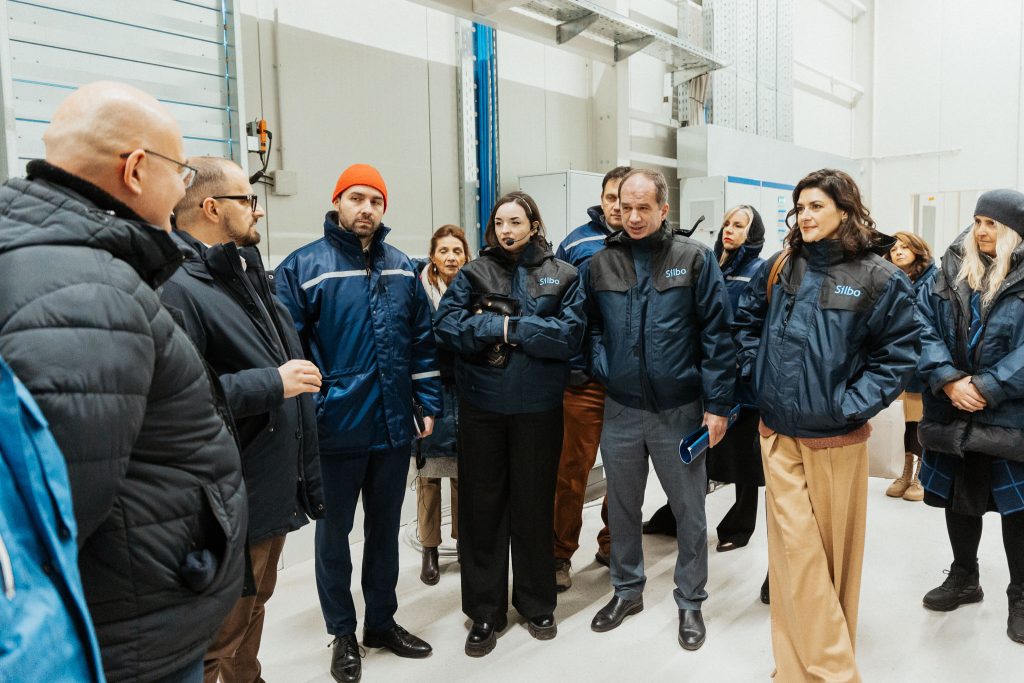
The new system uses carbon dioxide instead of conventional refrigerants, reducing greenhouse gas emissions from refrigerants by as much as 99 percent. As the first innovation of its kind in the region, this solution represents a clear example of a successful transition of industry toward sustainable and energy-efficient technologies, in line with contemporary European and global environmental standards.
“It is very important that such a large corporate system in our country, even without a regulatory obligation, has recognized relevant trends in the European market and oriented itself toward the practical implementation of the Green Agenda and sustainability principles,” stated Sara Pavkov, Minister of Environmental Protection.
The new industrial cooling system reduces the concentration of harmful chemicals in the atmosphere by eliminating conventional refrigerants with a high Global Warming Potential (GWP). This will prevent the annual emission of more than 8.5 tons of pollutants into the air, directly contributing to improved local air quality and the protection of the health of workers and the wider community.
Miguel La Plant, Deputy Head of Mission of the Embassy of Switzerland in Serbia, emphasized that the green transition progresses faster and more effectively when the private sector plays an active role. “The goal of our support within the Green Agenda in Serbia project is to create conditions for companies to invest in green technologies, improve environmental standards, and remain competitive in the long term. Companies like Silbo demonstrate that such efforts deliver real and measurable results.”
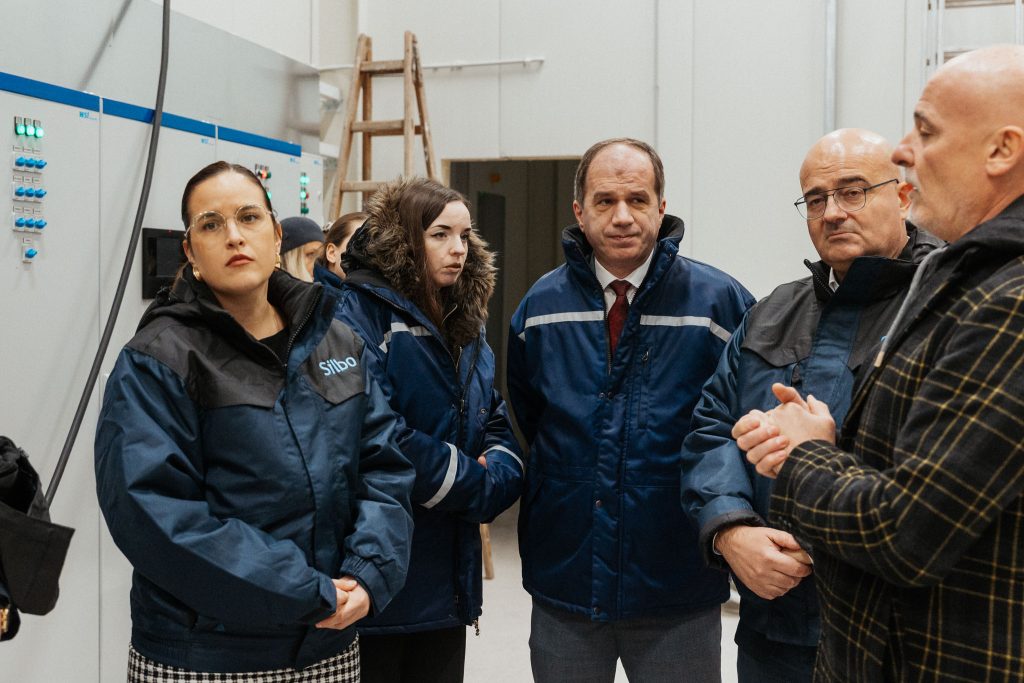
“Silbo’s innovation improves air quality, reduces harmful emissions, saves energy, and creates new green jobs. At the same time, it lowers operational costs and increases the company’s business efficiency. This is an excellent example of industrial transformation that other companies in Serbia and beyond should follow, as the private sector plays a crucial role in accelerating and scaling up the green transition of the economy and society,” said Jakup Berish, UNDP Resident Representative in Serbia.
“To further improve energy efficiency and reduce the facility’s overall carbon footprint, we installed a solar power plant that provides green energy for the factory’s day-to-day operations. In addition, we installed a concrete floor heating system that uses waste heat from the deep-freezing process, preventing cracking and damage to these surfaces,” highlighted Goran Tadić, General Manager of Silbo.
Silbo’s innovative solution for the green transition is one of 94 green projects whose implementation has been enabled thanks to financial support from the European Union, as well as the governments of Switzerland, Sweden, and Serbia, within the “EU for Green Agenda in Serbia” initiative.
This initiative is implemented by UNDP, with technical and financial support from the European Union, in partnership with the Ministry of Environmental Protection and in cooperation with Sweden and the European Investment Bank (EIB), with additional funding provided by the governments of Sweden, Switzerland, and Serbia.