Cooperation between Serbia and the European Union is more intensive today than at any time before, taking shape through projects and programs that span nearly all sectors of society.
For years, European Union has been Serbia’s largest donor and investor, providing strong support for projects across almost every field, according to public broadcaster RTS.
The bulk of EU assistance to Serbia comes through the Instrument for Pre-Accession Assistance (IPA) funds. These resources are most often used for the renovation and construction of schools, hospitals, cultural institutions, as well as sports facilities and other public buildings. Through IPA funds alone, billions of euros have been invested in Serbia, while additional financial support arrives from multiple European sources.
Since the signing of the Stabilisation and Association Agreement in 2008, the European Union has provided Serbia with approximately €4.5 billion in financial assistance. This places the EU far ahead of all other donors and international partners that have supported Serbia over the past decades, said Ana Ilić of NALED, as reported by the public broadcaster.
This support is reflected in investments in thousands of projects that have a direct impact on economic development, infrastructure modernization, and the strengthening of stability not only in Serbia, but across the wider region.
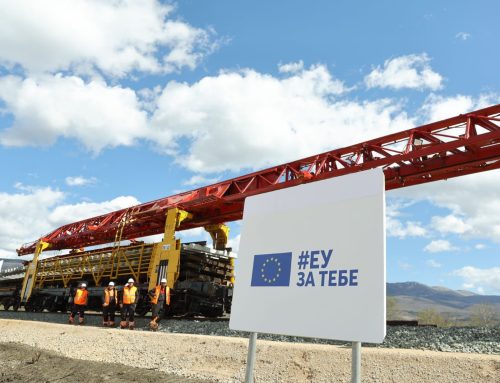
Investment in the Niš–Belgrade Railway
One of the largest and most significant single investments in the Western Balkans, financed by European Union taxpayers, is currently being implemented in Serbia. The project involves the modernization of the Niš–Belgrade railway line.
A total of €600 million has been secured for the project from IPA funds, alongside additional financing through loans from the European Investment Bank and the European Bank for Reconstruction and Development. The overall value of the investment stands at €2.2 billion. The project forms part of Corridor 10, which links Austria and Greece, and is of crucial importance for Serbia and the wider region, stated for RTS Mauro Di Veroli, Head of the Cooperation Section of the EU Delegation to Serbia.
Once completed, travel time on the route will be cut in half. Each year, approximately 9.3 million passengers use this line, while 9.4 million tonnes of goods are transported along the same corridor.
Between 2007 and 2013, around €1.5 billion from IPA funds was invested in Serbia. During the 2014–2020 financial cycle, that amount increased to €1.7 billion. Under the current multiannual financial framework, which runs until 2027, even higher investments are planned, totaling €2.2 billion.
Diversification as a Priority for Energy Security
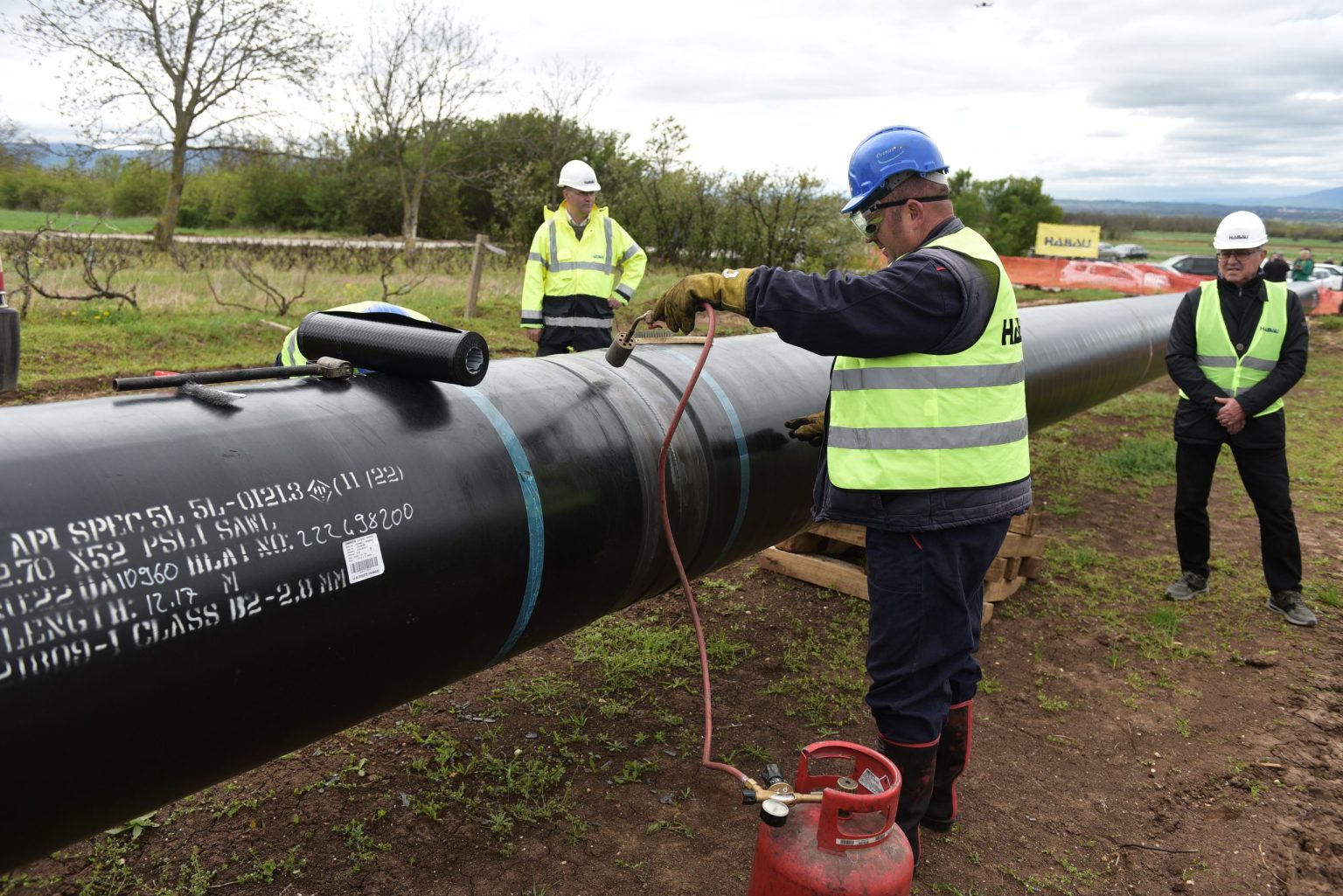
At a time when energy security has emerged as one of the key challenges, the development of infrastructure to diversify supply sources has been set as a strategic priority. One such project is the gas interconnector with Bulgaria, valued at more than €94 million.
European Union supported the implementation of this project with more than half of the total amount through non-refundable grants. This has enabled Serbia to connect to the EU gas market and gain access to a range of different suppliers.
The Growth Plan for the Western Balkans is another example of how the implementation of reforms is delivering tangible results, with new funds allocated on the basis of achieved performance. The aim of this mechanism is to allow Serbia, through a combination of reforms and financial support, to gradually become an equal member of the European family.
European Union is Serbia’s largest donor in the energy sector, having invested more than €1 billion in grants since 2000. At the beginning of 2023, the EU provided Serbia with an energy support package worth €165 million to help citizens and small and medium-sized enterprises cope with rising energy prices and the green transition.
Read more:
From Belgrade to Niš for 100 Minutes at up to 200 km/h