Sending unwanted content to women’s inboxes and publicly humiliating girls and women on social media, has become the most common form of digital violence in Serbia today, where one in three women and girls experiences some form of online abuse.
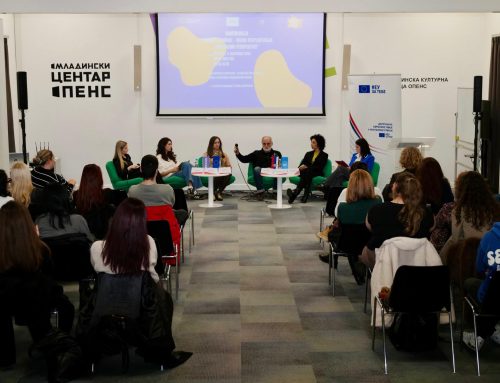
These findings come from a national study on digital violence in Serbia, presented at the panel “In the Shadows. Marked. Targeted. Judged”, organized by UN Women Serbia as part of the global “16 Days of Activism Against Gender-Based Violence” campaign.
“In today’s digital age, gender-based violence is present everywhere, and we must work to prevent future abuse. We also know that digital violence does not affect everyone equally—women who are public figures, journalists, politicians, young women, and girls are especially vulnerable,” said Plamena Halacheva, Deputy Head of the EU Delegation to Serbia.
She emphasized that the European Union continues to support civil society empowerment programs aimed at strengthening efforts to stop and prevent gender-based digital violence.
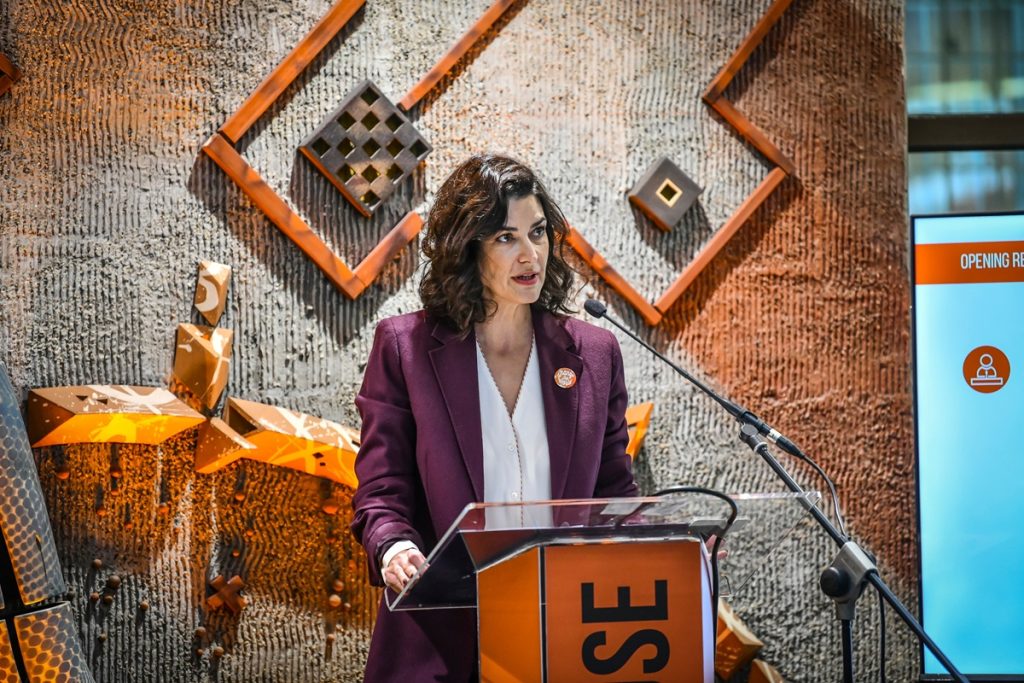
The organization Atina presented the findings of its study “Digital Violence Against Women and Girls in Serbia.”
According to the research, one in four respondents said they had personally experienced digital violence. The most common forms included receiving unwanted messages and content in their inboxes via communication apps or social media platforms.
Key findings show:
43% of women under 30 report having experienced digital violence
84% of girls and women in Serbia believe they are personally responsible for the abuse they suffered online
54% think perpetrators are unaware of the consequences and believe their behavior is harmless or fleeting
Tatjana Macura, Minister without Portfolio responsible for gender equality, the prevention of violence against women, and the economic and political empowerment of women, also attended the presentation. She noted that the research shows that “digital violence may not leave visible marks, but its consequences can be deep and lasting, particularly for women, who are most frequently targeted. This is why it is crucial for society to strengthen protection mechanisms and legal frameworks.”
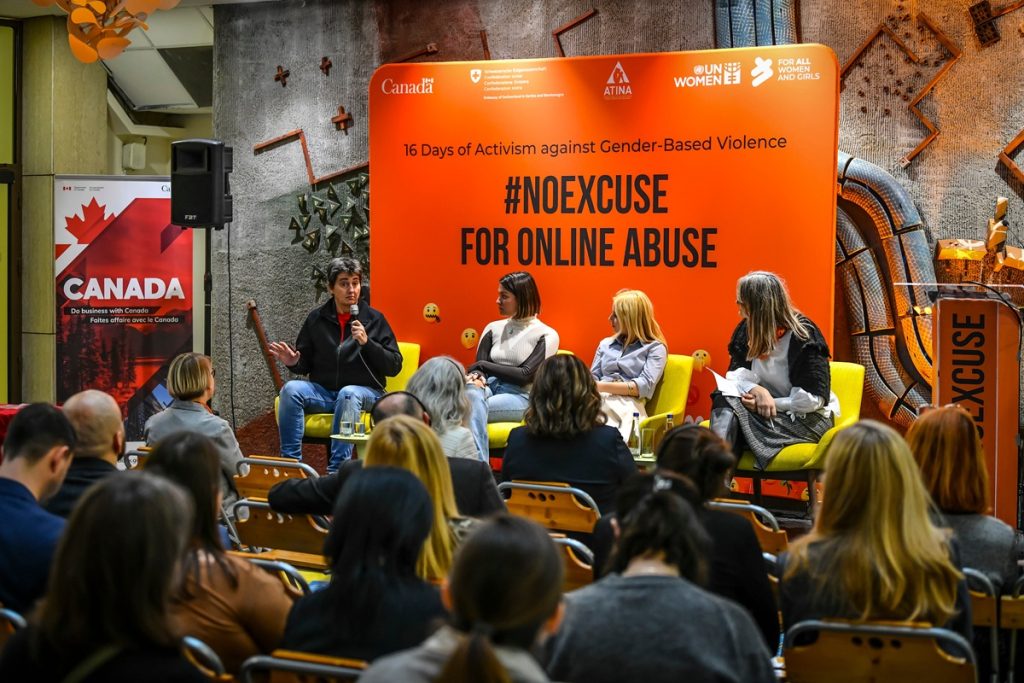
“Behind every case of online harassment is a woman who has endured fear, pressure, loss of privacy, and violence. The digital space must not be a place from which women retreat, but one in which they can exist and speak freely, without fear,” said Jelena Sekulić Nedeljković of UN Women Serbia.
Nearly half of all women and girls worldwide—some 1.8 billion people—have no legal protection against digital violence. Cyberstalking, gender-based abuse, and AI-generated deepfakes are spreading at an accelerating pace, increasing the risks women and girls face online, while legislation struggles to keep up.
“Technology-facilitated gender-based violence can be stopped, especially when governments, institutions, and civil society work together. Ending gender-based violence strengthens society as a whole and improves health, education, and the economy. Canada remains firmly committed to advancing global efforts to end digital violence, investing in programs that support survivors and women’s organizations,” said H.E. Michèle Cameron, the Ambassador of Canada to Serbia, North Macedonia, and Montenegro.
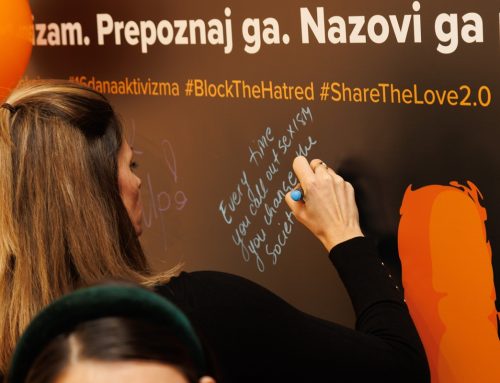
This year’s global 16 Days of Activism Against Gender-Based Violence campaign is calling for urgent action across all sectors of society to ensure legal protections and make the internet a safe space for all women and girls.
“The data presented by the organization Atina points to an urgent need for stronger prevention, better digital literacy, and a more effective institutional response,” said H.E. Anne Lugon-Moulin, the Ambassador of Switzerland to Serbia.
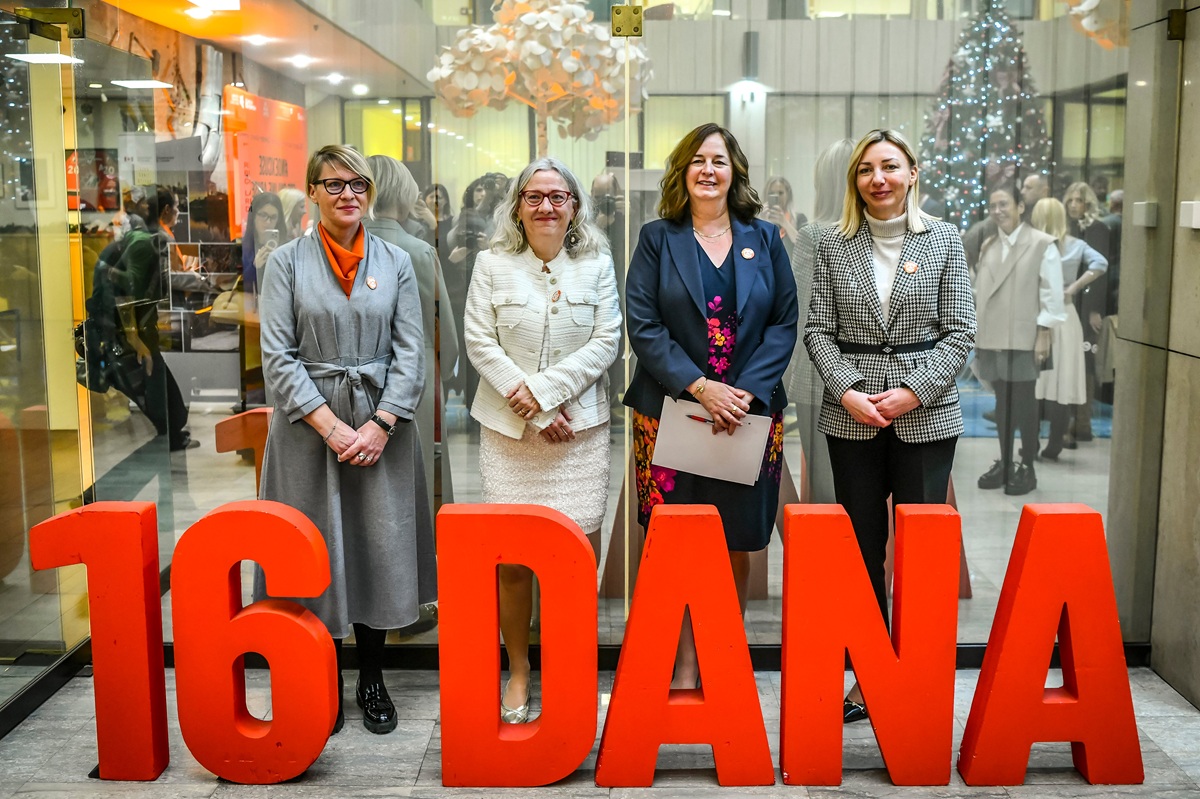
16 Days of Activism Against Violence Against Women is a global campaign marked each year by more than 1,700 organizations in over 100 countries. It begins on the International Day for the Elimination of Violence Against Women, November 25, and ends on December 10, Human Rights Day. The symbolic connection between these dates underscores that violence against women is a violation of fundamental human rights. First launched in 1991, the campaign seeks to raise awareness of the consequences of violence against women and girls and mobilize society to take collective action to prevent and eliminate all forms of violence against women and children. The official color of the campaign is orange, symbolizing a brighter future free of violence against women and girls.