The conference “Borders of Freedom – Labor Exploitation Through a Gender Lens”, held at the OPENS Youth Center, brought together experts, youth workers, and young people to shed light on one of the least visible yet most widespread problems in contemporary society — labor exploitation.
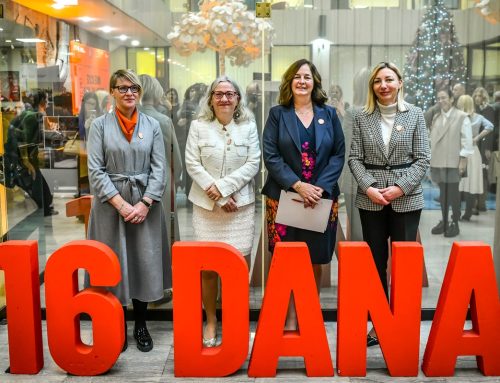
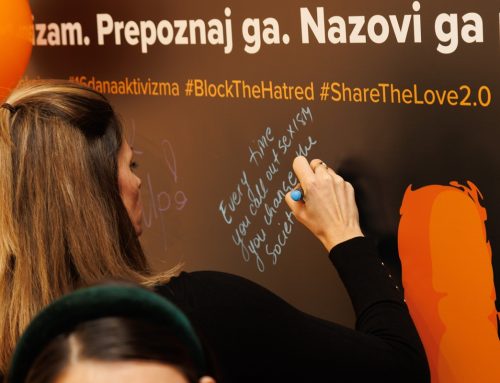
The event was organized by the Europe House Novi Sad, OPENS, and the NGO “Freedom Has No Price” as part of the global campaign “16 Days of Activism Against Gender-Based Violence.”
“Young people must be agents of change”
A distinctive feature of the conference was a preparatory workshop for young participants, held before the main event. Guided by mentors from OPENS and “Freedom Has No Price,” young people learned how to plan a panel discussion, craft relevant questions, and lead a public conversation.
Speaking about the importance of the conference, Dobrila Marković, Deputy Executive Director of the OPENS Youth Alliance, emphasized that combining expert knowledge with direct youth engagement is essential for effectively preventing exploitation.
“Conferences like this are important because they bring both experts and young people together in one place — and it’s precisely that combination that produces the best results in preventing human trafficking and various forms of exploitation,” Marković said.
According to her, experts are often the first people young individuals confide in, which is why they must be equipped to recognize early indicators of exploitation and the mechanisms of manipulation. She added that it was equally important for young people to have the opportunity to lead the panel themselves.
“When young people shape the questions, guide the discussion, and set topics that matter to them, they become agents of change rather than passive observers. It’s a powerful way to empower them and remind them that their voices matter.”
Marković concluded that the collective work of experts, institutions, and youth helps build a more resilient community and raises awareness about the risks of labor and sexual exploitation.
How to Recognize Exploitation Before It Becomes a Tragedy
Although labor exploitation is the most widespread form of modern slavery, it is rarely discussed in Serbia. Young people seeking their first jobs or seasonal work are particularly vulnerable because they often fail to recognize warning signs, lack information about safe job opportunities, and do not know whom to turn to for help.
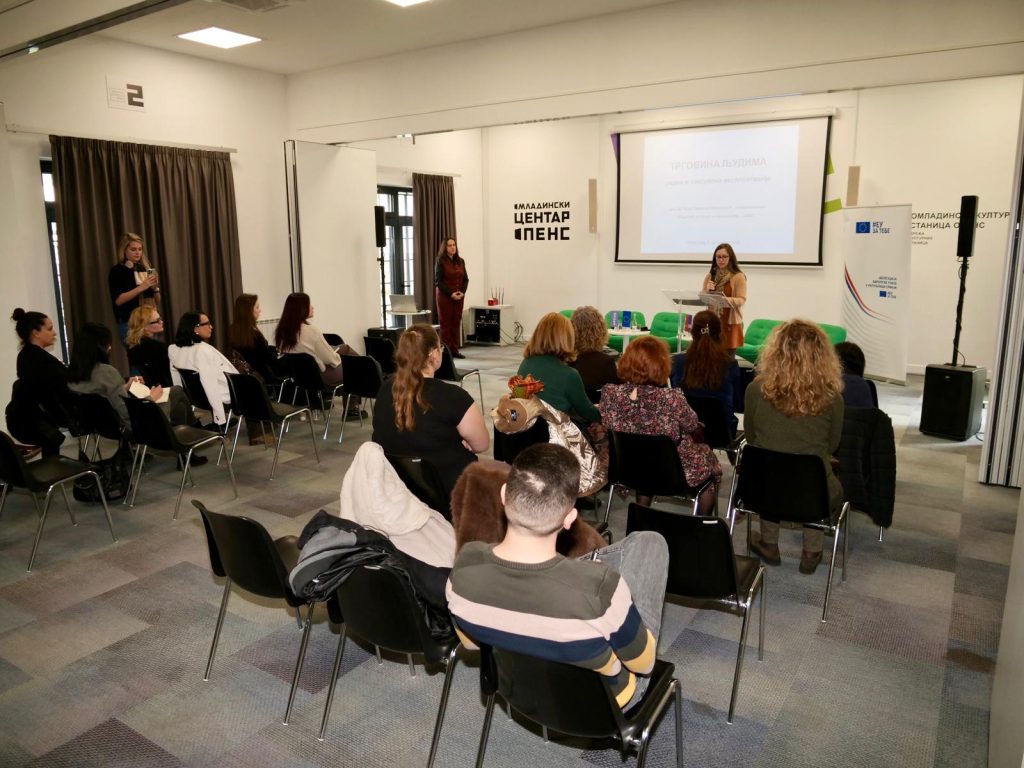
Organizers emphasized that the goal of the conference is to help young people learn how to identify risky job offers, distinguish between labor and sexual exploitation, protect themselves and others, and actively participate in creating prevention initiatives.
The first part of the program featured a professional training session, “Gender-Based Violence and Human Trafficking – Indicators, Prevention, and Reporting,” led by Prof. Dr. Nada Padejski Šekerović from the organization “Freedom Has No Price”. The training was intended for pedagogues, psychologists, social and youth workers, career counselors, and volunteers who work with young people daily and are often the first to notice when something is wrong.
Participants were introduced to the early warning signs of labor and sexual exploitation, the ways young people become involved in risky work arrangements, psychological mechanisms of manipulation, and the procedures for reporting suspected cases of exploitation. This segment of the conference was closed to the public with limited attendance.
Movie “Sisters” as an Introduction to the Conversation on Invisible Risks
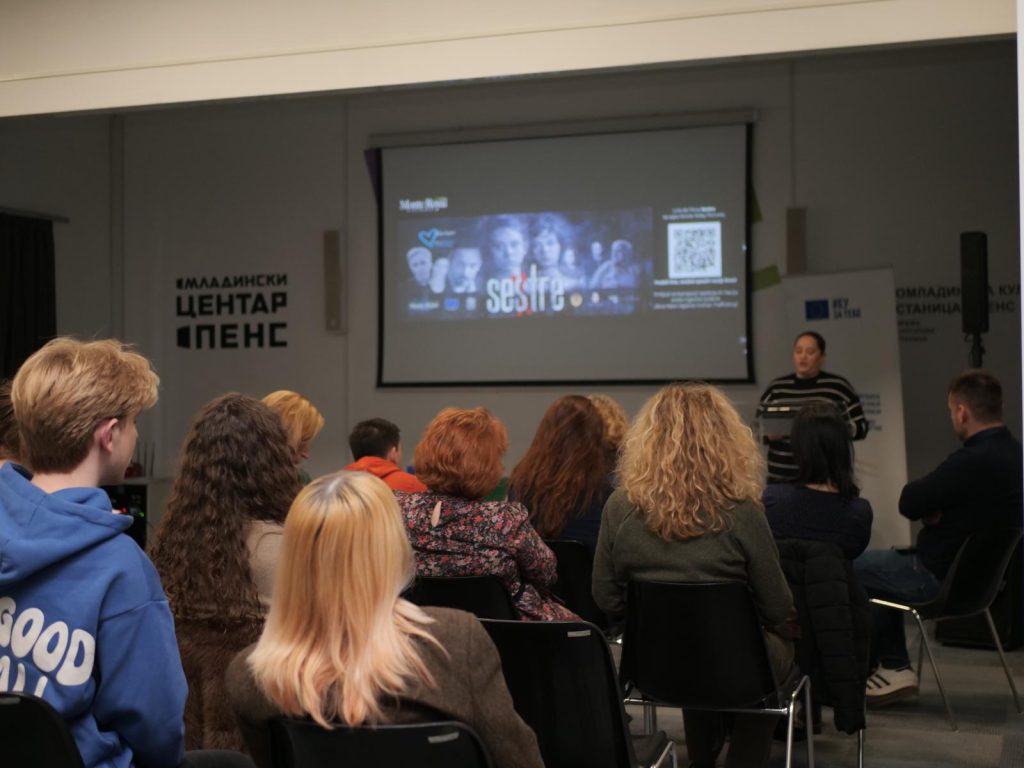
The afternoon program opened with a screening of “Sisters”, a movie by director Vladimir Paskaljević, which illustrates how the search for a job can become the first step into the chain of human trafficking. The film links the economic vulnerability of young people with the risks of labor and sexual exploitation, highlighting how closely intertwined these forms of abuse are.
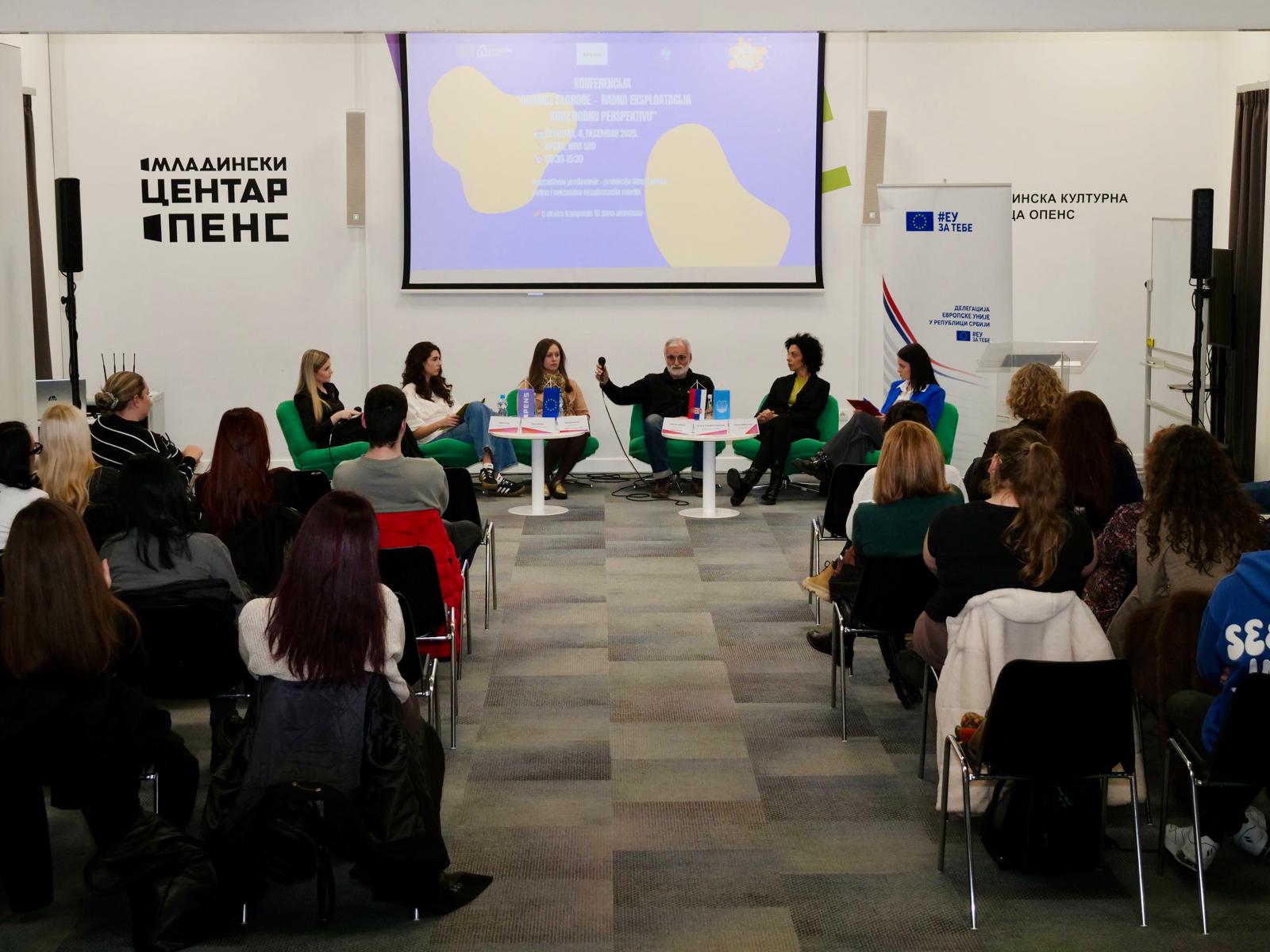
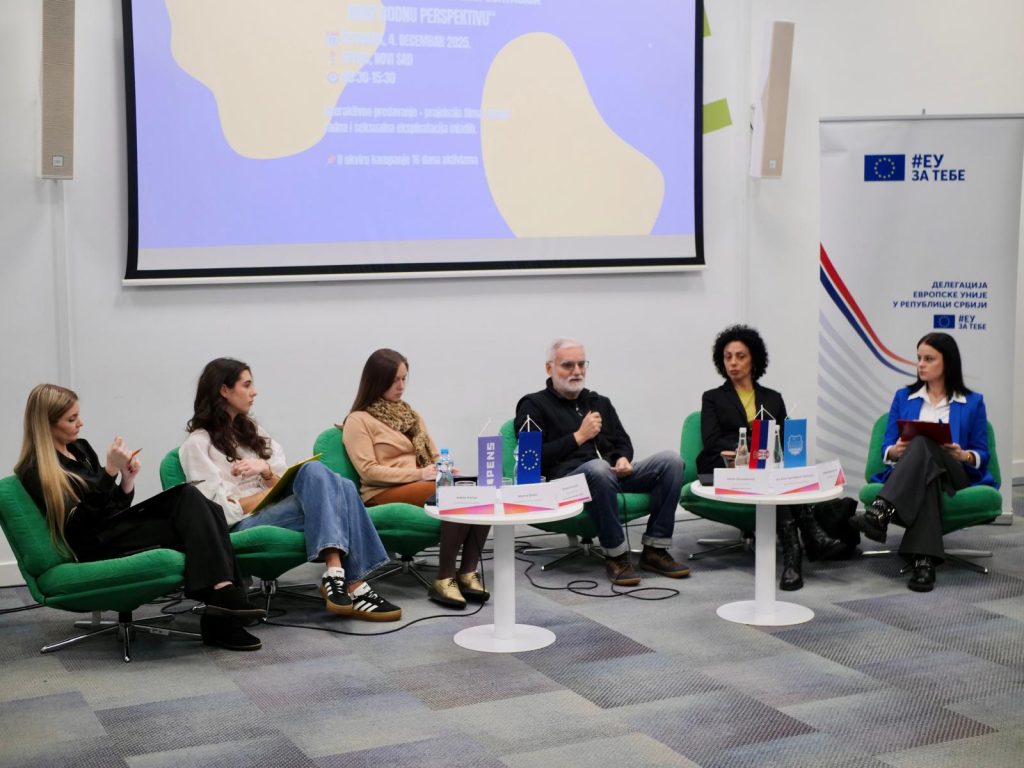
Following the film screening, the panel discussion “Labor and Sexual Exploitation – Where Are the Limits of Choice” took place — an approach organizers describe as an innovative way to involve young people in matters directly affecting their safety.
The panel featured legal expert Mitar Đurašković (“Freedom Has No Price”), criminologist Ana Tomašević Petrović, and Branka Kunović, career counselor from the OPENS Job Info Center. The discussion was moderated by participants of the youth workshop — Adela Kanja, Miona Đošić, and Tamara Radovanović — who emphasized the importance of the topic and the need for greater public education.
Panelists explored how young people can recognize risky job offers, whom they can turn to for help, what protection mechanisms are available, and how young people can be empowered to make safe and informed decisions.